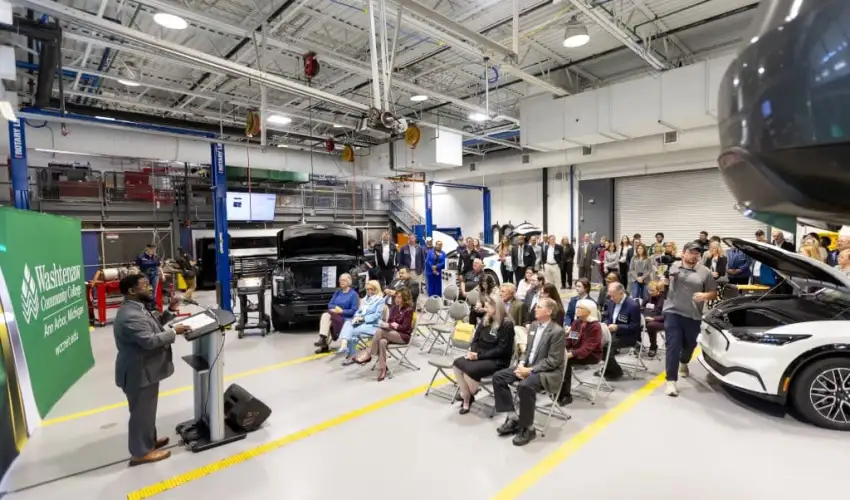
Setting up an automotive EV lab in 2026 is no longer a simple equipment procurement task. It is a structured engineering project that combines facility planning, training system design, curriculum development, and integrated equipment deployment. Schools, vocational institutions, and government training centers that approach it systematically tend to achieve significantly better training outcomes and long-term operational stability.
This guide breaks down the process into a practical, real-world sequence based on how EV labs are actually planned and implemented in vocational education projects worldwide.
1. Site Planning (The Foundation of Every EV Lab Project)
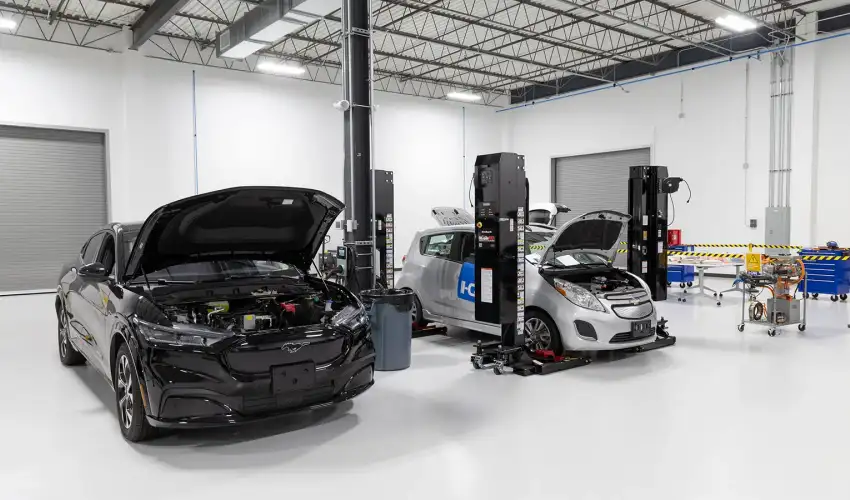
Before any equipment is considered, the physical environment must be properly defined. In real-world EV lab deployments, site planning is often the most overlooked step, yet it has the greatest impact on safety, usability, and scalability.
The first consideration is space allocation. A small training setup may function within 80–120 square meters, but this is typically only suitable for basic demonstrations. A standard vocational EV lab requires 150–300 square meters, while government-level training centers or multi-classroom facilities often exceed 300–800 square meters. The available space directly determines how many students can be trained simultaneously and how complex the training modules can be.
Beyond size, the internal layout is critical. A well-designed EV lab is divided into functional zones rather than a single open space. These typically include a theoretical instruction area, a hands-on practical training zone, a high-voltage safety area, a diagnostic workstation section, and a dedicated storage or charging zone. Each of these areas serves a different training purpose and must be separated either physically or through strict operational boundaries.
Infrastructure is equally important. EV training equipment often requires a stable 380V industrial power supply, proper grounding systems, and reliable leakage protection. Ventilation is necessary when working with battery systems, and fire safety compliance must be considered from the beginning. In addition, the floor must be capable of supporting heavy training platforms, especially full vehicle trainers or battery simulation systems.
Key point: If the site is not properly prepared, even the most advanced equipment cannot function safely or effectively. For this reason, experienced project planners always finalize site design before moving to procurement.
2. Equipment Planning (Designing a Training System, Not a Shopping List)
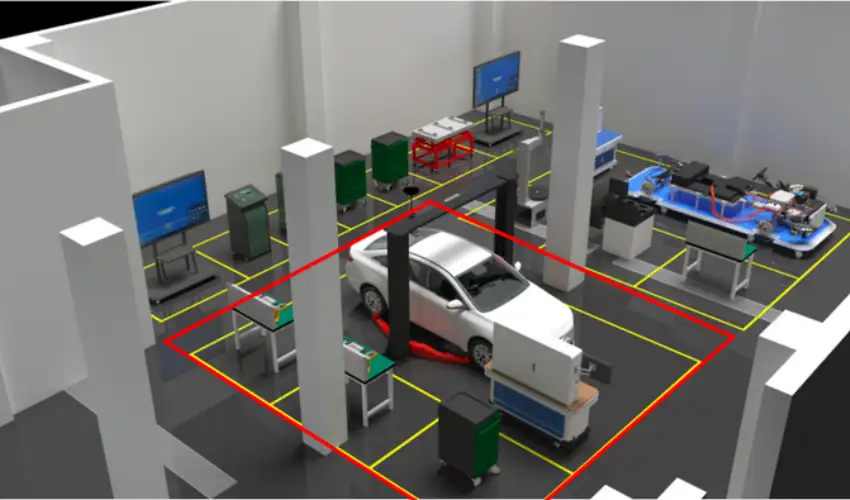
Effective EV lab design starts from learning outcomes, not product catalogs. The goal is to build a structured training ecosystem that supports progressive skill development across multiple competency levels.
2.1 Define Training Capability Levels
- Level 1: Basic EV system understanding
- Level 2: Maintenance and diagnostics capability
- Level 3: Fault simulation and engineering-level troubleshooting
2.2 Core System Architecture of EV Lab
An EV lab is built around interconnected subsystems that mirror real electric vehicle architecture:
- EV powertrain training system
- Battery and BMS training system
- High-voltage safety training system
- EV diagnostics system
- Charging system (AC/DC simulation)
2.3 Recommended Equipment Categories
To ensure system completeness, equipment selection should follow functional teaching requirements rather than isolated procurement decisions.
- Electric vehicle trainer (full system platform)
- Battery pack cutaway & training board
- Motor & inverter trainer
- BMS simulation system
- Fault injection training system
- Diagnostic scanner workstation
2.4 Recommended Supplier: VocatEdu EV Training Systems
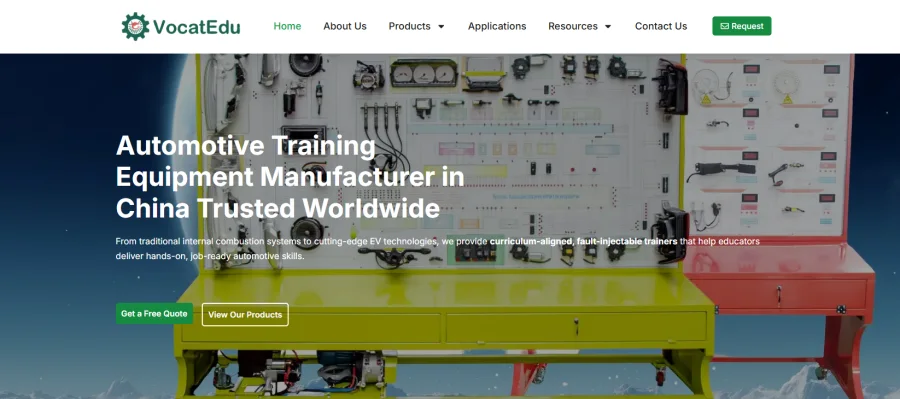
For institutions looking to build a complete and integrated EV training lab, selecting a manufacturer that provides system-level equipment is critical. VocatEdu specializes in automotive training equipment designed specifically for vocational education, technical colleges, and government training projects.
Unlike single-device suppliers, VocatEdu focuses on building full EV training ecosystems that align with curriculum requirements and real-world diagnostic workflows.
Core EV training equipment includes:
- EV Drive System Training Bench
Used for practical training in motor operation, torque control, and drive system diagnostics. - Electric Vehicle Battery Management System (BMS) Training Bench
Enables learning of battery balancing, state of charge analysis, temperature monitoring, and battery fault diagnosis. - EV Motor Control System Training Bench
Focused on motor controller functions, signal analysis, and system troubleshooting techniques. - EV Chassis Training Bench
Demonstrates how different chassis subsystems interact within electric vehicle architecture. - Intelligent Vehicle Fault Simulation and Diagnostic Platform
Allows instructors to introduce controlled faults for structured troubleshooting training. - Electric Vehicle Air Conditioning and Heating Training Bench
Covers HVAC system structure, thermal management principles, and diagnostic procedures. - EV Steering System Training Bench
Focuses on electronic steering assistance systems and fault diagnosis methods. - Electric Vehicle Cutaway Model
Displays real components including motor, battery, control systems, and chassis layout for visual learning. - EV Charging Training Bench
Provides hands-on training for charging operations, connector standards, safety procedures, and troubleshooting.
These systems are designed to work together as a complete training architecture, making them suitable for institutions that require scalable EV lab deployment with consistent teaching outcomes.
For most vocational institutions, working directly with a factory like VocatEdu helps reduce system integration risks while ensuring better alignment between equipment, curriculum, and long-term maintenance requirements.
3. Curriculum and Teaching Plan (The Core That Determines Value)
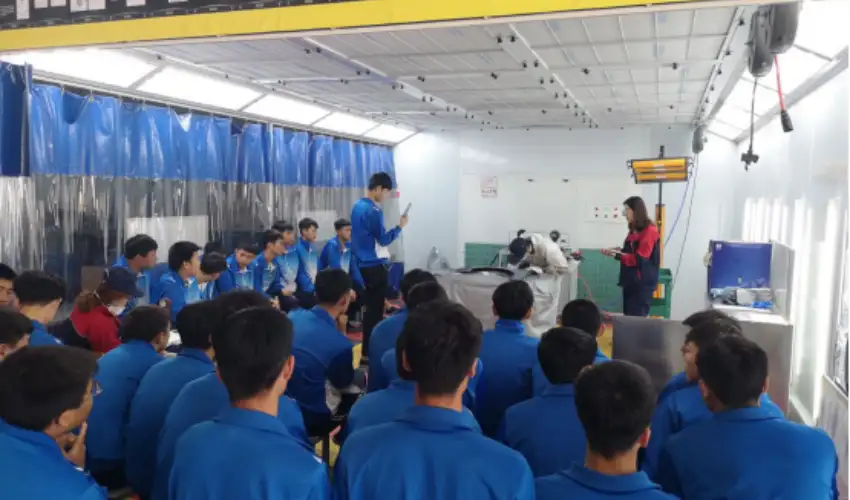
Without a structured curriculum, even advanced EV training equipment will fail to deliver meaningful educational outcomes. The curriculum defines how students interact with the lab and how technical competency is measured.
Training typically begins with EV fundamentals, including system architecture, electrical principles, and high-voltage safety procedures. This foundation ensures students understand the logic behind EV systems before engaging with real equipment.
As training progresses, students move into applied diagnostics, including battery system operation, drivetrain troubleshooting, and structured fault analysis.
Practical modules such as high-voltage isolation procedures, battery system disassembly, fault diagnosis exercises, and charging system operation form the core of hands-on training. These modules are essential for bridging the gap between theory and real-world technical skills.
4. Procurement Planning (Turning Design into Execution)
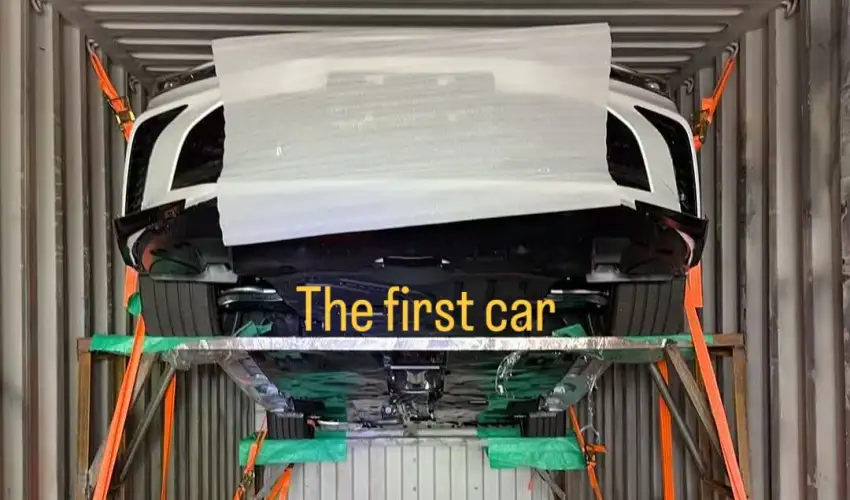
Procurement is a critical transition phase where planning becomes implementation. Clear technical validation is required to avoid mismatched equipment or incomplete system integration.
Supplier selection should prioritize factory manufacturers with experience in vocational education projects. These suppliers are more capable of providing customization, system integration, and long-term technical support.
Before purchase, suppliers should provide a complete technical package, including 3D layout design, system architecture diagrams, and equipment compatibility mapping. This ensures the lab functions as a unified system rather than disconnected devices.
Budget planning should reflect project scale, ranging from entry-level labs to fully integrated government training centers.
Key point: Procurement is not about buying equipment—it is about building a complete training system.
5. Installation and Commissioning (From Delivery to Operation)
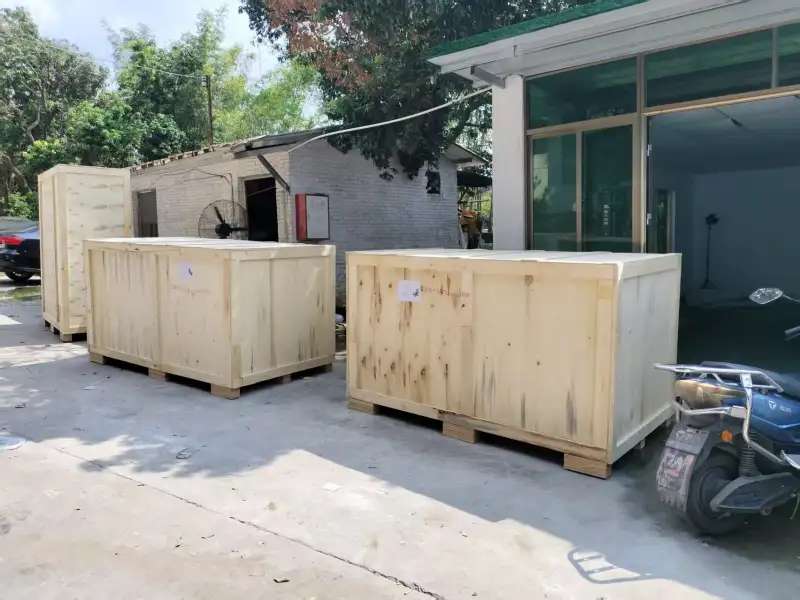
After delivery, proper installation and commissioning determine whether the lab can transition into full operational status without delays or technical issues.
Equipment is typically transported via sea freight or air freight depending on project timelines. Industrial-grade packaging is required to protect sensitive training systems.
On-site installation follows a predefined layout plan, ensuring correct positioning, electrical connection, and safety zoning, especially for high-voltage training areas.
Commissioning includes system power testing, grounding verification, EV trainer calibration, and fault simulation testing. Only after successful validation can the lab be officially used for training purposes.
6. Conclusion: EV Lab as a System, Not Equipment
An effective automotive EV lab is a fully integrated training ecosystem rather than a collection of machines. Its success depends on how well each component—space, curriculum, equipment, and supplier capability—works together as a unified system.
Institutions that adopt a system-level approach achieve higher training efficiency, improved safety standards, and better long-term return on investment.
When all elements are properly aligned, an EV lab becomes not just a facility, but a sustainable training infrastructure for future automotive talent development.